Resilient Design: Developing General Buildings to Withstand Natural Disasters
- Subhodip Unitel
- May 16, 2024
- 3 min read

Natural disasters are becoming more frequent and severe globally, underlining the importance of resilient design when constructing buildings. Climate change exacerbates events like floods, hurricanes and wildfires. Thus, it is crucial that architects and engineers implement principles that enable structures to better handle these environmental challenges.
This blog explores the concept of resilient design and its application for creating general buildings that can withstand natural disasters. Implementing resilience is key to confirming buildings remain standing and keep occupants safe when natural disasters strike.
Understanding Resilient Design
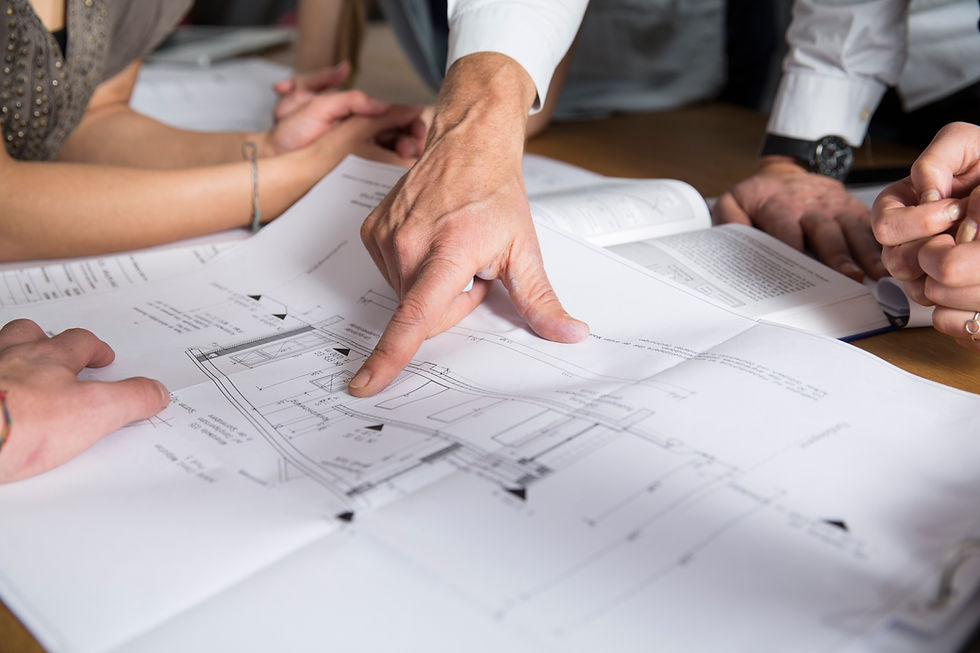
Resilient design refers to the thoughtful planning and construction of buildings. It makes the buildings capable of withstanding natural disasters and climate events. The core goal of building services is to minimise damage, maintain structural integrity and offer occupants’ safety during emergencies.
There are three main aims of resilient design:
1) Limit building damage and disruption of operations
2) Reduce recovery time and costs after disasters
3) Prevent injuries and loss of life among occupants.
Architects and engineers implement resilient principles effectively. While doing this, they carefully consider the building's location, potential disaster threats, the structural system and construction materials.
For instance, earthquake-prone areas require designs that can handle significant ground shaking and fluctuating loads. Hurricanes demand wind-resistant structures with impact-resistant glass and flexible connections. Key factors like the shape, foundation and reinforcement of the building all influence its ability to cope with diverse threats.
Principles of Resilient Design
There are several core principles of resilient design that allow these buildings to better handle natural disasters:
Incorporate Redundancy: Redundancy refers to having overlapping or extra components that provide backup support if one part fails. This prevents total system failure.
Examples include extra bracing, secondary structural walls, redundant power sources or duplicate supply chains. Redundancy offers general buildings to avoid collapse if one component is compromised during a disaster.
Flexible Design: Flexibility involves creating structures that can accommodate some movement or deformation without rupturing completely. This allows buildings to “bend but not break” under the strain of earthquakes, hurricanes or explosions.
Flexible materials like wood and steel allow for ductility, unlike brittle concrete. Other flexibility tactics include base isolation foundations, dampers and strategic weak points.
Retrofitting and Reinforcement: Many existing general buildings are deficient in terms of resilience. Retrofitting involves adding new features like structural bracing, storm shutters and earthquake-resistant joints.
Reinforcing foundations, connections and structural elements can also boost resilience. Fireproofing, waterproofing and anchoring roof systems helps enhance resilience during disasters.
Use Disaster-Resistant Materials: Selecting suitable materials is key, like high-performance concrete, reinforced masonry, laminated glass and cross-laminated timber. These materials resist damage from disasters like earthquakes, floods and hurricanes more effectively than conventional options. Weather and fire-resistant coatings also boost resilience.
Design for Durability: Durability involves using robust materials and quality construction methods to create general buildings that resist deterioration over time. This prevents weakening of structures from ongoing exposure to the elements. Durable buildings stay resilient despite disasters and environmental stressors.
Smart Design: This includes leveraging technologies like remote occupancy sensors, structural health monitoring, central emergency systems, and adaptive components. They react to changing conditions automatically. Smart resilience design offers these buildings to rapidly detect threats and implement protective measures.
Innovative Building Materials and Techniques
Several innovative building materials and techniques are enhancing the resilience of these buildings:
Impact-Resistant Glass: Advanced glass materials like laminated or tempered glass have inner layers. They prevent shattering on impact from debris during tornadoes and hurricanes. This resilient glass protects building envelope integrity.
Seismic-Resistant Concrete: Fibrous concrete reinforced with polymers and microfibers provides enhanced ductility and can handle the shifting loads of earthquakes. This material resists cracking failure better than standard concrete.
Fire-Resistant Coatings: Intumescent coatings and fire-retardant paints react under heat exposure by expanding to form insulating char layers. This provides fire resilience and avoids structural damage.
Flood Barriers: Perimeter flood walls, levees and temporary barriers help prevent inundation of general buildings in floodplain areas. This technique enhances flood resilience during storm surges or rises in sea level.
Base Isolation: It involves constructing these buildings on isolated bases or sled-systems with shock-absorbing bearings. This decouples the structure from horizontal earthquake motions and averts resonance.
Elevated Foundations: Raising buildings on pile foundations, elevated slabs or piers lifts vulnerable components above flood levels. This provides resilience against the impacts of extreme precipitation, storm surge and sea level rise.
Conclusion
Climate change increases the frequency and intensity of natural disasters. Thus, resilient design has become a crucial part of constructing robust and adaptive general buildings.
Real-world examples make clear that lack of resilience leads to catastrophic building failures and potential loss of life. Both existing and new general buildings can benefit from resilience-focused retrofitting, reinforcement and use of advanced materials.
Moving forward, resilient design must become standard practice for these buildings globally. This is key to saving properties, businesses and most importantly, lives when the next major disaster strikes.


Comments